
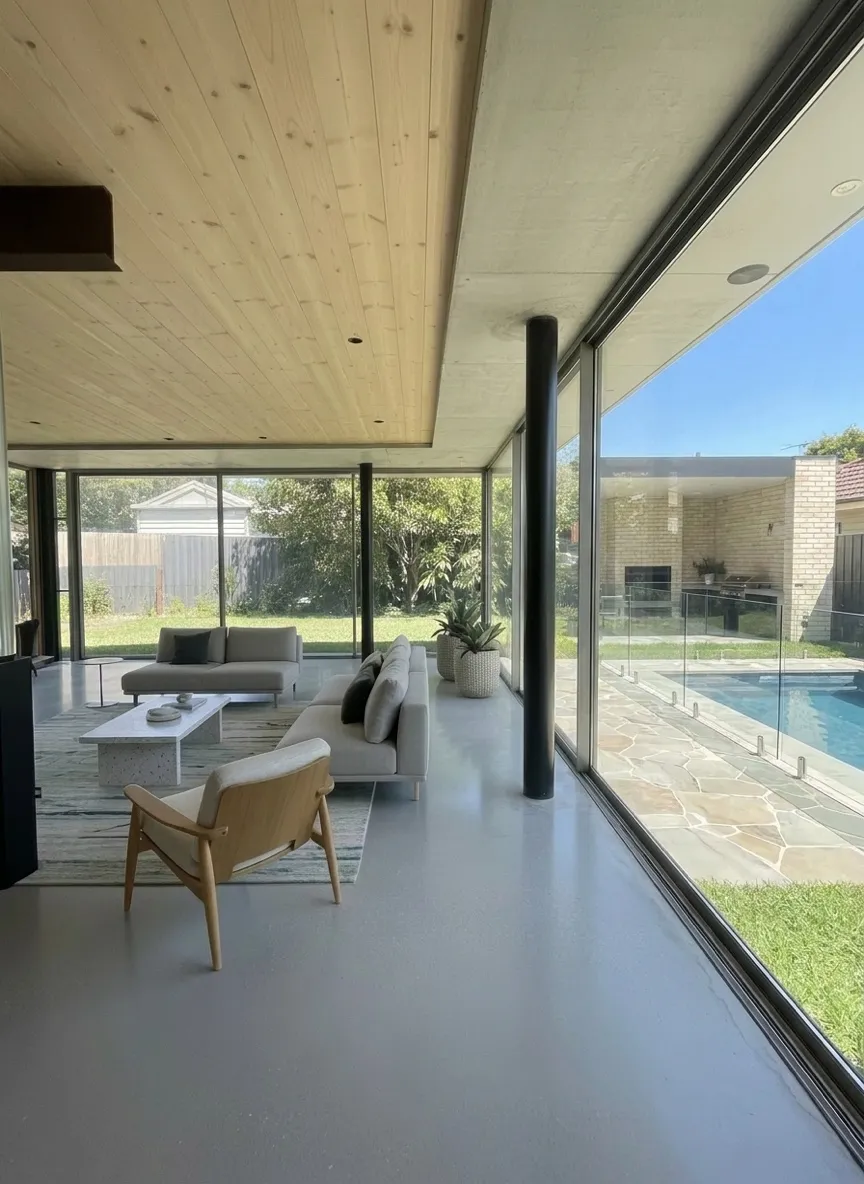
Aluminium vs uPVC vs Timber Windows
Choosing a window frame for an Australian home comes down to three materials: aluminium, uPVC and timber. Each performs well in different ways. Here is a straight comparison for the Australian market, including where each one genuinely wins.
Trusted by Melbourne homeowners since 2006
The quick answer
For most Melbourne homes, thermally broken aluminium is the best all-rounder. It matches uPVC on thermal performance once a thermal break and double glazing are added, and it pulls ahead on slim sightlines, durability, design flexibility and weather resistance. Timber suits heritage and period homes where the look is the priority and the maintenance is accepted. uPVC insulates well, but the frames are bulkier and, contrary to a common assumption, it is generally more expensive than aluminium in Australia.
Choosing the Right Window System
A high-level comparison of common window materials used in residential construction.
See why architects and builders choose SoTherm ALUMINIUM for premium residential projects
See why architects choose SoTherm ALUMINIUM
Material by material
Aluminium
Strong and rigid, so frames stay slim while holding large panes, which is why architects and contemporary homes favour it. With a thermal break and double glazing it reaches U-values of 1.6 to 2.4, against around 6.0 for old single-glazed aluminium, so the old criticism that aluminium is cold no longer applies. It will not corrode, warp or rot, lasts 40 years or more, needs only periodic cleaning, and comes in a wide range of powder-coat colours and finishes. Best for most modern homes, large openings and low-maintenance buyers.
uPVC
Insulates well as a material and resists weather. The trade-offs that matter in Australia: frames are noticeably bulkier than aluminium, which reduces glass area and reads as less refined in premium and period homes; colour options are limited; and it can yellow over time, with a typical lifespan of 20 to 30 years. And it is not the money-saver people expect here, because uPVC is largely imported and generally costs more than aluminium. Best for owners who prioritise thermal performance and are comfortable with the heavier frame look.
Timber
A warm, traditional appearance that suits period and heritage homes, and it is sometimes required under a heritage overlay. Naturally insulating. The trade-off is maintenance: timber needs regular treatment and protective coating, can move with moisture and temperature, and its durability depends heavily on upkeep. Best for heritage facades and owners who want the timber look and accept the care it needs.
What we recommend for Melbourne homes
Most of our clients choose thermally broken aluminium because it delivers double glazing performance with slim sightlines, 40-plus year durability and almost no maintenance, and it suits both contemporary and updated period homes. For genuine heritage facades, timber still earns its place. The honest summary: there is no single best material, only the right one for your home, your look and your budget. A free on-site assessment is the simplest next step. For a full breakdown of what windows cost in Melbourne, see our cost guide, or read more on double glazing. For the five questions to put to any window quote, with the sources, read our guide to comparing window systems in Australia.
Request your free assessmentWindow Materials: Common Questions
Which window material is best for a Melbourne home?
For most homes, thermally broken aluminium with double glazing, for its balance of slim sightlines, durability, low maintenance and strong thermal performance. Timber suits heritage homes; uPVC suits owners who want its insulation and accept bulkier frames.
Is uPVC cheaper than aluminium in Australia?
Generally no, the opposite. uPVC is largely imported and generally costs more than aluminium here, so it is not the budget saving it is sometimes assumed to be. The real difference is in sightlines, durability and look.
Is aluminium bad for insulation?
Not anymore. Plain aluminium conducts heat, but thermally broken aluminium has an insulating barrier inside the frame. With double glazing it reaches U-values of 1.6 to 2.4, far better than old single glazing at around 6.0.
Does timber need a lot of maintenance?
Yes. Timber needs regular treatment and protective coating and can move with moisture and temperature, which is the main trade-off against its traditional look.
Project Enquiry
Tell Us About Your Project
For new builds, upgrades, and residential projects across Melbourne and Victoria.
What best describes your project?
This helps us tailor the conversation to your needs.
Ready to Upgrade Your Windows?
Get a free, no-obligation quote and expert advice on the best window solution for your home.